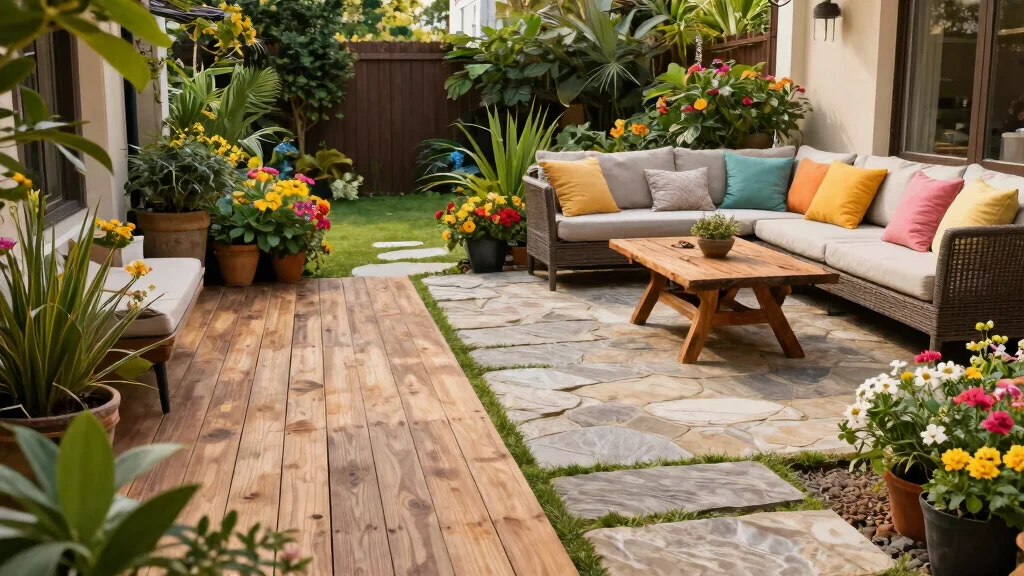
Creating a beautiful outdoor space that connects your deck and patio can truly elevate your home’s charm. As the seasons change, having a functional and inviting transition between these areas allows you to enjoy your outdoor living in comfort and style. Whether you’re looking to entertain friends or enjoy a quiet evening under the stars, the right deck to patio transition can make all the difference. That’s why I put together this post; to help you craft a seamless flow that enhances your outdoor experience.
If you’re a homeowner who loves outdoor design and wants to maximize your small space, this guide is for you. You might be feeling overwhelmed by the many choices available or unsure of how to make the most of your outdoor areas. Don’t worry! I have compiled seven practical ideas that are both beautiful and functional, ensuring your space feels cohesive and welcoming.
In this post, you’ll discover a range of creative solutions tailored specifically for the deck to patio transition. From using natural materials to incorporating cozy seating and vibrant decor, these ideas will help you create an outdoor oasis. No matter your style or budget, you’re bound to find inspiration that resonates with you, making your outdoor gatherings more enjoyable and aesthetically pleasing.
Key Takeaways
– Natural Flow with Stone Pathways: Incorporate stone pathways to create a smooth transition that adds a natural look and feel to your outdoor areas.
– Complementary Materials: Choose materials for your deck and patio that harmonize, ensuring a unified design that ties the spaces together.
– Plant Borders for Definition: Use plants to define your spaces. They can create a beautiful border while providing privacy and enhancing your outdoor decor.
– Built-in Seating: Incorporate built-in seating to offer functionality and comfort, making your patio a perfect spot for relaxation or entertaining.
– Decorative Lighting: Add lighting to enhance ambiance and safety. String lights or lanterns can create a warm and inviting atmosphere for evening gatherings.
Recommended Products

RUBBER STEPPING STONES: Elevate your outdoor space with these lightweight simulated flagstone rubber pavers that offer the timeless beauty of real stone without the heavy lifting.
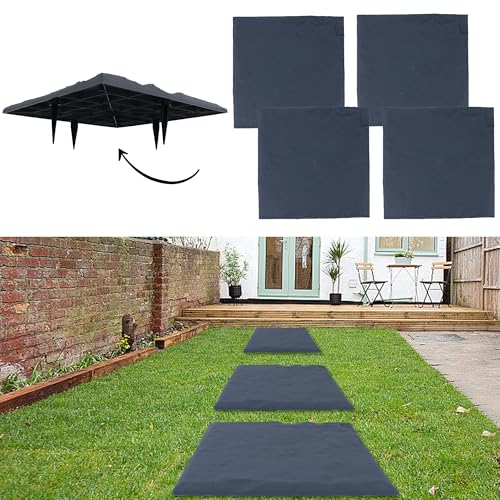
Durable & Easy: These 15.5" stepping stones are made of weatherproof resin, so they can withstand rain, hail, UV rays, and cold temperatures. They also feature four ground stakes for secure installation, making them perfect for patios, walkways, and gardens.

UNIQUE OUTDOOR WALKWAY SOLUTION: Transform your garden, lawn, or backyard with BIRDROCK HOME Rubber Stepping Stones. These durable pavers provide a beautiful and practical pathway through your outdoor spaces. The modern design not only enhances the look of your landscape but also offers a sturdy and solid surface to walk on.
1. Create a Natural Flow with Stone Pathways
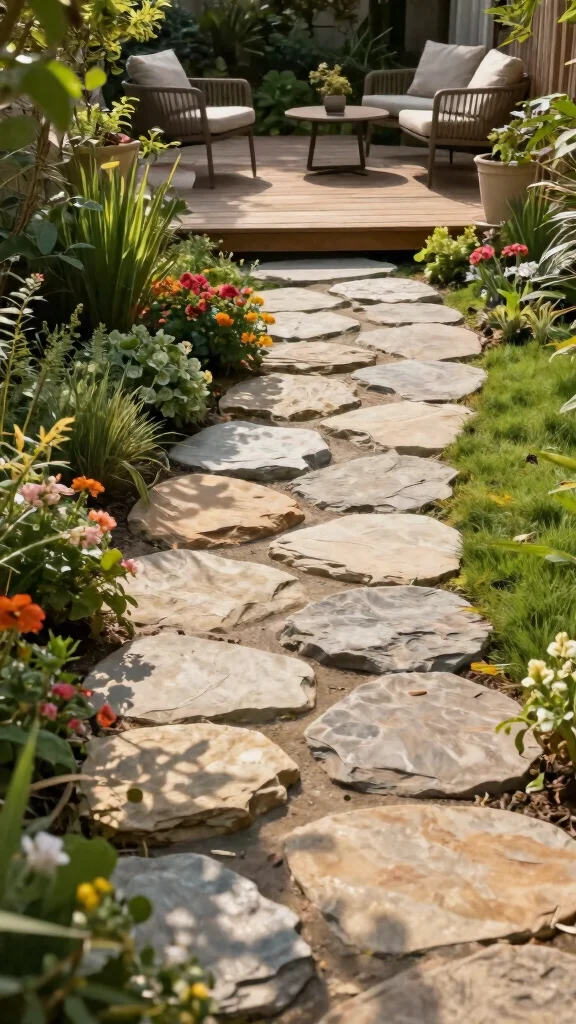
Embracing the beauty of natural stone pathways can wonderfully bridge the gap between your deck and patio. These pathways introduce earthy textures that enhance visual appeal while fostering a warm, inviting atmosphere. For instance, using smooth flagstones or rustic pebbles can complement various outdoor settings, creating a cohesive look that feels organic and welcoming.
To make the most of your stone pathway, think about incorporating gentle curves that mimic nature’s flow. This softens the transition and creates a more inviting space. Here are some practical tips for designing your pathway:
– Blend materials: Use similar stone types across both areas for visual unity.
– Incorporate plants: Add low-growing ground cover to soften edges and add color.
– Consider lighting: Install subtle pathway lighting to highlight stones and create charm at night.
This beautiful pathway not only enhances accessibility but also invites exploration throughout your garden, enriching your outdoor experience as you move from deck to patio.
Fun fact: A winding stone pathway can visually soften the gap between deck and patio, boosting perceived flow by up to 20%. Keep curves gentle and textures varied to guide guests naturally along the deck to patio transition.
Recommended Products

Aluminum stair nosing with precise dimensions: 2" top face, 1.5" drop, 48" length - cut to any shorter size with standard snips or hacksaw

RAISED PERFORATIONS GRIP THE SHOE: Enhance traction in both wet and dry conditions to prevent dangerous and costly slip and fall injuries

ANTI SLIP OUTDOOR STAIRS TRENDS: High-traction surface adds instant grip to slippery steps. Designed to reduce slips and falls on outdoor stairs, especially in rain, snow, or low-light conditions.
How To Choose the Right Deck to Patio Transition Ideas
When you’re looking to connect your deck and patio, the right transition can make all the difference. Here’s how to choose the best ideas for a smooth and inviting outdoor space.
1. Consider Your Space
Before anything else, measure the area where the transition will occur. You want to ensure that the transition will fit well without cluttering your space. A small area may benefit from a simple step-down, while larger spaces might allow for more elaborate designs. Think about how you plan to use each area and make sure there’s enough room to move comfortably between the two.
2. Choose Complementary Materials
Using similar or complementary materials for both your deck and patio creates a cohesive look. If your deck is made of wooden planks, consider using natural stone or pavers for the patio. This avoids visual dissonance and ties the two spaces together. Look for materials that work well with your home’s exterior too, as this can enhance your overall outdoor design.
3. Plan for Safe Foot Traffic
Safety should be at the forefront of your transition planning. Ensure that any steps or pathways are well-defined and stable. Consider using textured surfaces or slip-resistant materials, especially if your area gets wet. You can also add railings if needed. These elements not only improve safety but also add a nice touch to your patio decor.
4. Incorporate Greenery
Plants can soften the transition between your deck and patio. Use plant borders to define the space and guide the eye from one area to the other. Consider adding flower beds or container gardens along the edge. Use greenery that thrives in your climate for a vibrant display all year round. This not only enhances the aesthetic but also provides a natural barrier between spaces.
5. Think About Functionality
What activities will take place in these spaces? If you plan to entertain, ensure that the transition is wide enough for guests to mingle. If you’re creating a cozy retreat, consider built-in seating along the edges. Each choice should enhance how you use the space. Think about adding a fire pit area for warmth and gathering, making it easier to flow between both zones.
6. Add Lighting for Ambiance
Good lighting makes a huge difference in how you experience your outdoor areas. Use decorative lighting to highlight the transition and create a welcoming atmosphere at night. Pathway lights or string lights can lead the way from the deck to the patio. Not only does this add beauty, but it ensures safety during evening gatherings.
Pro Tip: Always keep the climate in mind when choosing materials. Some may fade or slip in wet conditions, so be sure to select durable and weather-resistant options. Plan for how the seasons will affect both aesthetics and functionality.
Choosing the right deck to patio transition ideas can create a beautiful outdoor retreat. With careful consideration of space, materials, safety, and functionality, you can craft a seamless flow that enhances your home. Whether it’s through plant borders, textured pathways, or charming lighting, every detail invites you to enjoy the outdoors more.
Recommended Products
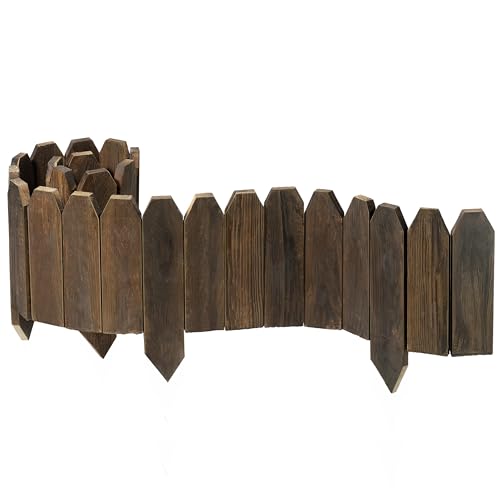
Charred for Durability:Our wooden edging is treated with high-temperature carbonization to resist moisture, rot, and cracking—perfect for withstanding changing seasons in any outdoor space.

SHIPMENT CONTAINS: One 5 inch x 40 foot brown flexible landscape edging coil with 10 matching stakes for securing garden borders

【Upgraded Landscape Edging】These edging for landscaping are made of protection PP material, stable and not easily crushed. No peeling, no corrosion and not deformed, And include 20Pcs anchoring stakes can withstand 60mph strong wind. You don't worry about your garden damaged by strong winds.And the garden edging is suitable for long-term use, creating clean lines in your garden with some landscape edging.
Create a Natural Flow with Stone Pathways
Editor’s Choice

2-Inch x 100 FT Landscape Edging Border with 150 Stakes, Plastic Edging …


Arcadia Garden Products Set of 4, 16×17” Dark Gray Stepping Stone Fibe…

40 LBS Grey Pea Gravel – Landscape Rocks – Drainage Rock – Gardening – A…
2. Use Complementary Materials
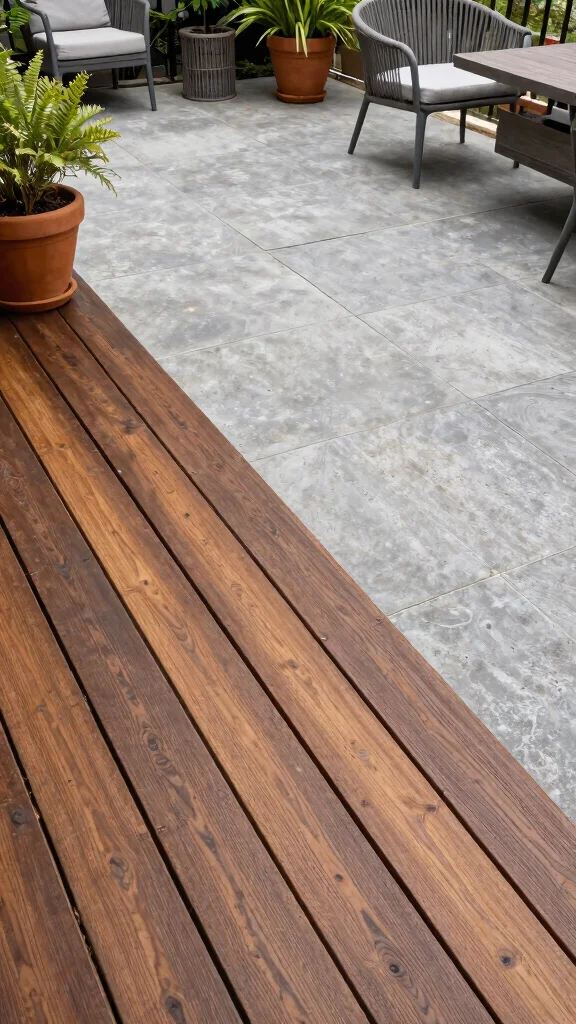
Selecting complementary materials for your deck and patio can elevate the aesthetic of your outdoor space. Imagine a stunning wooden deck seamlessly flowing into a sleek concrete or stone patio. This combination is visually appealing and balances the functionality of each area, creating a harmonious outdoor environment.
To achieve this look, consider matching color palettes or finishes for both surfaces. For example, if your deck features rich mahogany, opt for similarly toned outdoor tiles for the patio. Here are some inspiring ideas:
– Textured surfaces: Combine smooth decking with a textured patio for visual interest.
– Focal points: Create eye-catching elements at the intersection, like built-in seating or planters.
– Consistent color palette: Use cohesive colors in furniture, pavers, or plants to tie the spaces together.
This thoughtful approach fosters a stylish outdoor oasis that feels connected and inviting.
Recommended Products

HOME DECORATIONS:Eye-pleasing warm white light help creating a warm atmosphere, nice selection for party, home decoration.

【Enchanting Multicolor Ambiance】: Bring your space to life with 10 handmade multicolor lantern covers, casting a warm white glow that creates a magical, cozy atmosphere. Perfect for romantic evenings, garden parties, or whimsical cottagecore decor.

Halloween Decorations: Cute Pumpkin decor Halloween lantern string lights perfect for Halloween tree, Cosplay parties, mantel, porch, outside entryway, garden, patio or yard.
Use Complementary Materials
Editor’s Choice

GE All Purpose Silicone Caulk, Clear, 10 fl oz Cartridge, 1 Pack – 100% …

Color Chart & Palette Book for Artist & Hobbyist: A Hands-On Workbook to…
3. Use Plant Borders for Definition
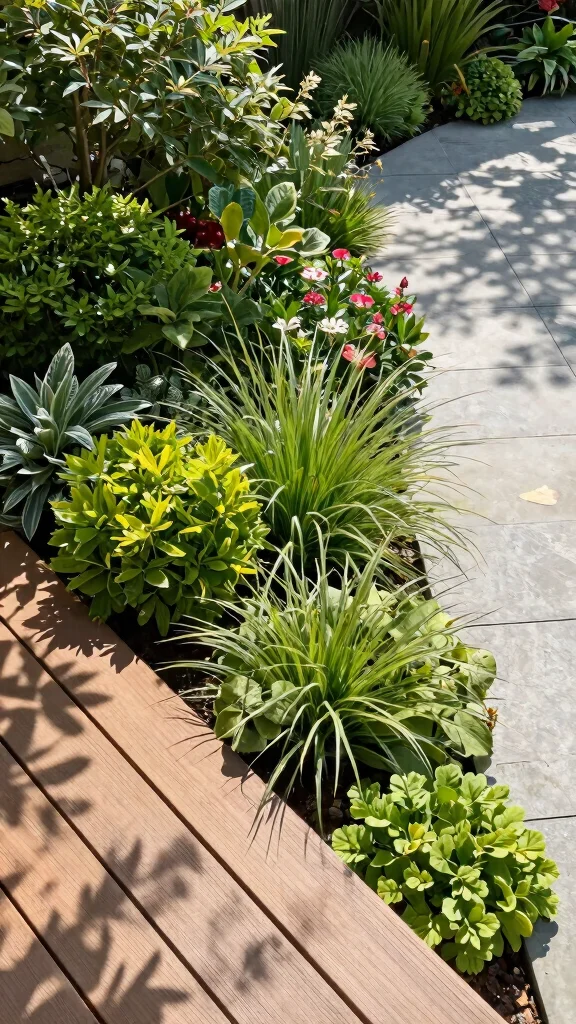
Plant borders offer a charming way to delineate the boundaries between your deck and patio while introducing lush greenery. They serve as natural dividers that guide the eye from one area to another, enhancing the transition without feeling imposing. By incorporating low-growing ground cover or taller ornamental grasses, you can infuse life and vibrancy into your outdoor space.
To maximize the impact of plant borders, consider using taller plants at the back and shorter ones in the front for depth and visual intrigue. Aim for seasonal variety by selecting plants that bloom at different times, ensuring year-round beauty. Here’s how to create effective plant borders:
– Layering: Arrange plants thoughtfully to create dimension and texture.
– Seasonal variety: Choose a mix of bloom times for continuous interest.
– Maintenance: Opt for low-maintenance options to keep borders looking fresh effortlessly.
These plant borders frame your transition beautifully, providing a soft and inviting visual experience as you move between outdoor spaces.
Plant borders define your deck to patio transition with natural charm. Mix low-growing ground cover at the front and taller grasses at the back to guide the eye and add life without crowding the space. This simple layering keeps boundaries clear and the flow effortless.
Recommended Products

Vintage Charm: Natural gray finish features subtle color variation that replicates the look of weathered stone, adding visual texture to gardens, pathways, and outdoor spaces

Weather-Resistant & Built to Last: Crafted from durable PC+ABS resin, these stepping stones are heat-resistant, crack-proof in freezing temps, and impact-resistant. Designed for year-round outdoor use, they won’t fade, warp, or lose their shape—rain or shine.

Easy DIY Landscape Upgrade: Create garden paths, backyard walkways, patio access, and outdoor play areas with lightweight Redu-material stepping stones that install quickly without digging or tools.
📹 Related Video: 50 Amazing Garden Edging Ideas For Your Garden
Use Plant Borders for Definition
Editor’s Choice

50+ Blue Fescue Ornamental Grass/Perennial Festuca/Drought Tolerant/Sun …

Amazon Basics Flexible Landscape Edging Coil for Garden Border, Flower B…

Forget Me Not Seeds – 500 Flower Seeds – Perennial Ground Cover Seed for…
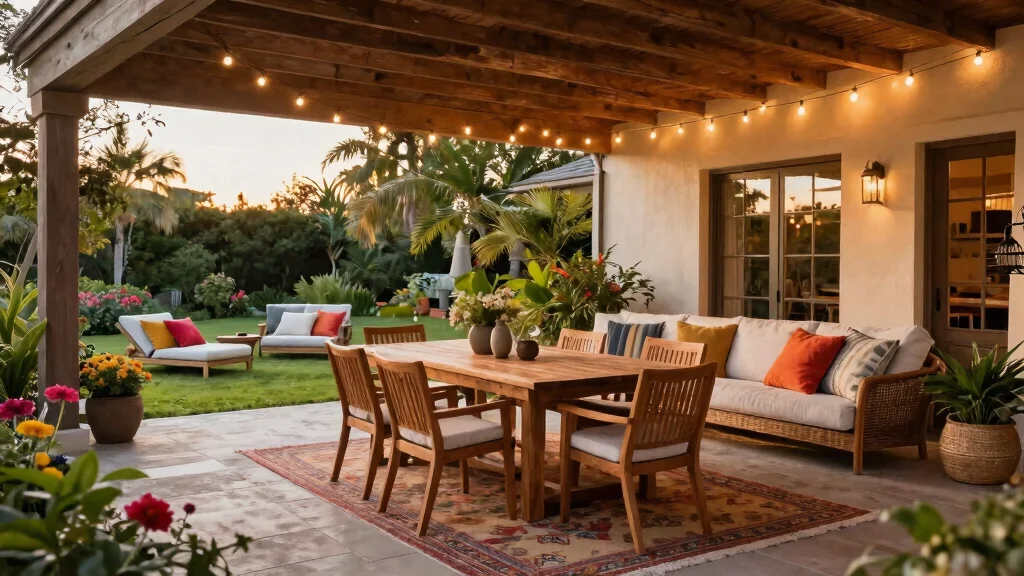
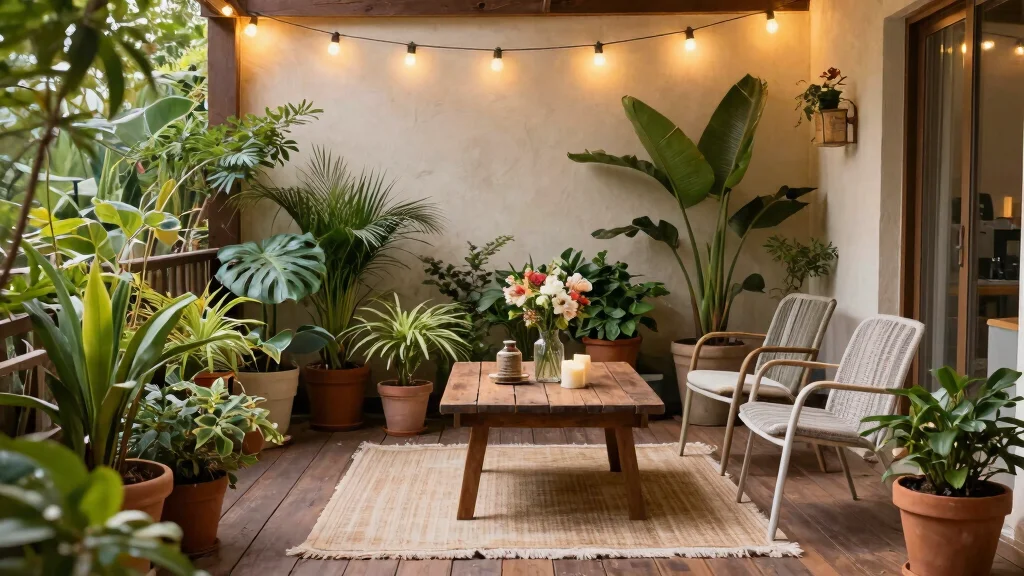
4. Incorporate Built-in Seating
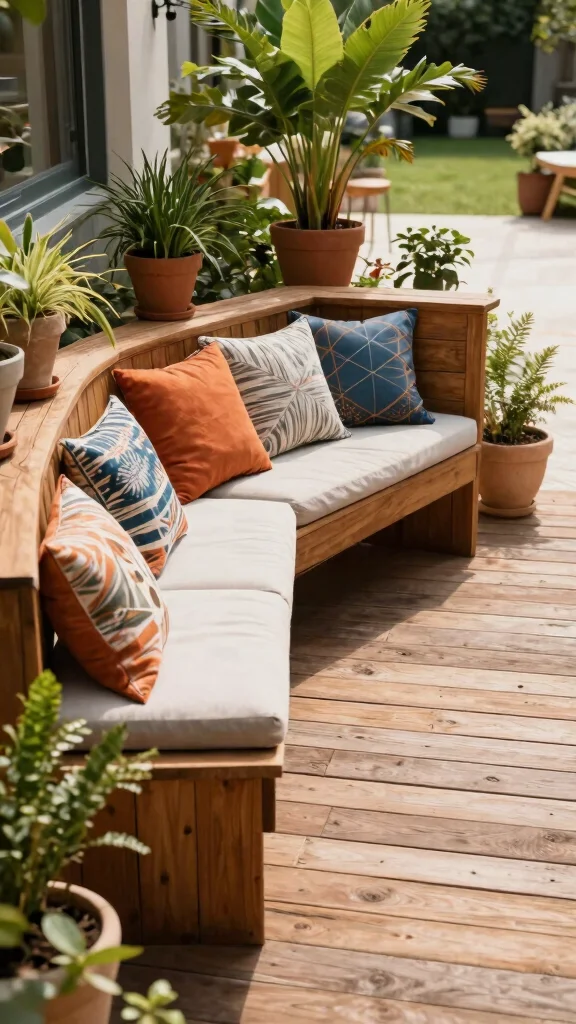
Built-in seating not only adds practicality but also serves as an attractive transition feature between your deck and patio. Picture a beautifully crafted bench along the edge of your deck, inviting guests to relax while enjoying the view that flows effortlessly to the patio. This seating can double as a space for potted plants or decorative pillows, enhancing the connection between both areas.
To create an inviting environment, ensure the seating matches the materials or colors of your deck and patio. Adding soft cushions or throws makes it cozy for guests. Here are some ideas to enhance your built-in seating:
– Material consistency: Use similar materials to achieve a uniform look.
– Accessorize with comfort: Incorporate cozy cushions for that extra touch.
– Position strategically: Place seating for optimal views of the garden or patio.
This built-in seating option not only serves a functional purpose but also enhances the flow between outdoor areas, encouraging relaxation and social interaction.
Recommended Products

Ultimate Non-Slip& Safety: Featuring a textured surface, this stair edge trim enhances friction on steps, reducing slip risks in wet conditions. For homes, decks, and commercial spaces, ensuring safe passage for kids, elder and pets
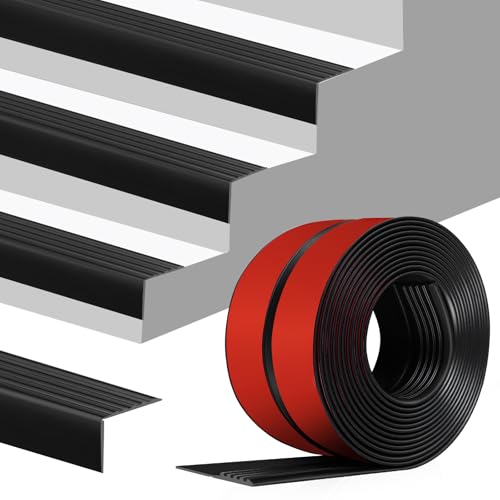
Good Quality: Our stair nose edging is made from high-quality materials, ensuring durability and resistance to wear even after prolonged use. The vinyl stair treads are also waterproof and stain-resistant, making them easy to clean.

Improved Stair Grip Support: This stair nose edging features a grooved surface that enhances traction underfoot. Designed to support steadier movement on stairways for households with children, seniors, or expectant users
You might also like
Incorporate Built-in Seating
Editor’s Choice

GLIDLION 2 Pack Artificial Geranium Flowers Topitary Trees for Outdoors,…

Summsun Outdoor Bench Cushion: Waterproof and Fade Resistant Patio Furni…

Leopold Bench Woodworking Plans – Easy DIY Outdoor Bench Build for Gar…
5. Add Decorative Lighting

Decorative lighting plays a vital role in creating an enchanting atmosphere between your deck and patio, especially during evening hours. Whether you choose string lights, lanterns, or recessed lighting, the right illumination can transform your outdoor space into a magical retreat. Consider placing lights along pathways or under seating areas to cast a warm glow that complements your natural surroundings.
To enhance the lighting effect, combine different lighting types for a layered approach. Use spotlights to highlight specific features, like plants or sculptures, that connect the two areas. Here are a few tips to brighten your outdoor levels:
– Layered lighting: Mix task, ambient, and accent lights for a dynamic ambiance.
– Highlight features: Use spotlights to draw attention to focal points.
– Energy efficiency: Opt for solar-powered fixtures to keep energy costs low.
Thoughtful lighting design can beautifully enhance the transition between your deck and patio, inviting gatherings and creating a captivating outdoor experience.
Add Decorative Lighting
Editor’s Choice

TONULAX Solar Garden Lights – Upgraded Solar Swaying Light, Sway by Wind…
![CLOUDY BAY [12 Pack] 3CCT Low Voltage LED Deck Lights Outdoor,2700K/3500...](https://m.media-amazon.com/images/I/81JxlifBpFL._AC_UL320_.jpg)
CLOUDY BAY [12 Pack] 3CCT Low Voltage LED Deck Lights Outdoor,2700K/3500…

addlon 100FT Outdoor String Lights G40 with Remote, 54 LED Shatterproof …
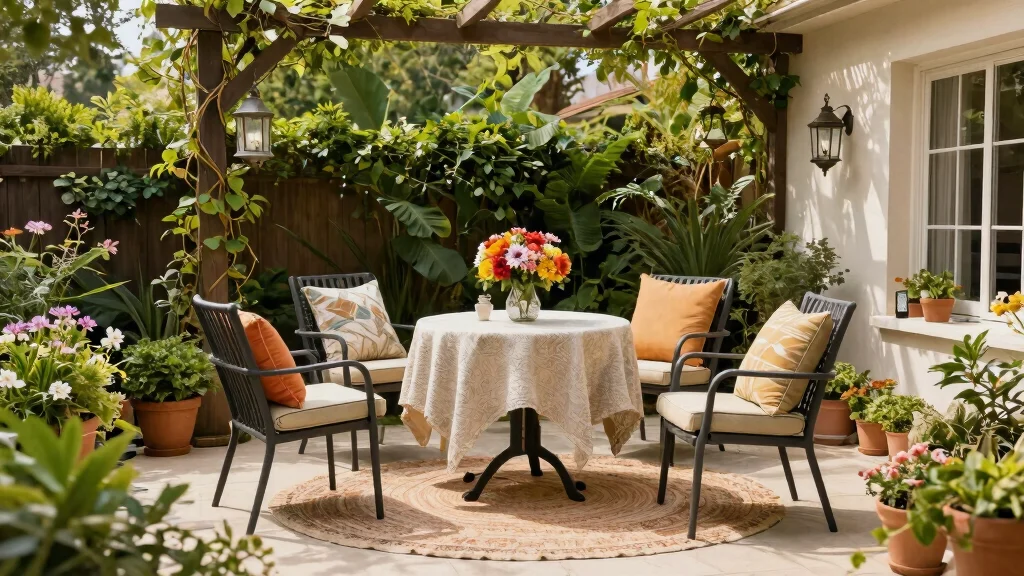
6. Use Colorful Outdoor Decor

Incorporating colorful outdoor decor can greatly enhance the visual charm of your deck and patio transition. Bright cushions, vibrant outdoor rugs, and unique planters can infuse joy and vibrancy into the space, making it feel more cohesive and inviting. By selecting decor items that resonate with your personality, you can create a lively atmosphere that encourages relaxation and social interaction.
To inspire your outdoor decor choices, think about mixing various patterns and colors in your cushions and textiles for a playful vibe. Choose quirky planters that stand out and elevate both areas. Here are some ideas to consider:
– Mix patterns: Combine different designs for a fun, eclectic look.
– Unique planters: Select artistic planters that complement your space.
– Themed accessories: Create a cohesive theme, like nautical or bohemian vibes.
With the right decorative touches, you can turn the transition between your deck and patio into a vibrant and inviting area that reflects your unique style.
You Might Also Like
Use Colorful Outdoor Decor
Editor’s Choice

MIULEE Yellow Outdoor Seat Cushion 24×24 Inch Waterproof & 3 Year Fade R…

Midogaigai Abstract Face Planters Pots Head,Unique Head Planter for Indo…

Colorful 5×8 Outdoor Area Rug Washable Multicolored Patio Rug Tropical B…
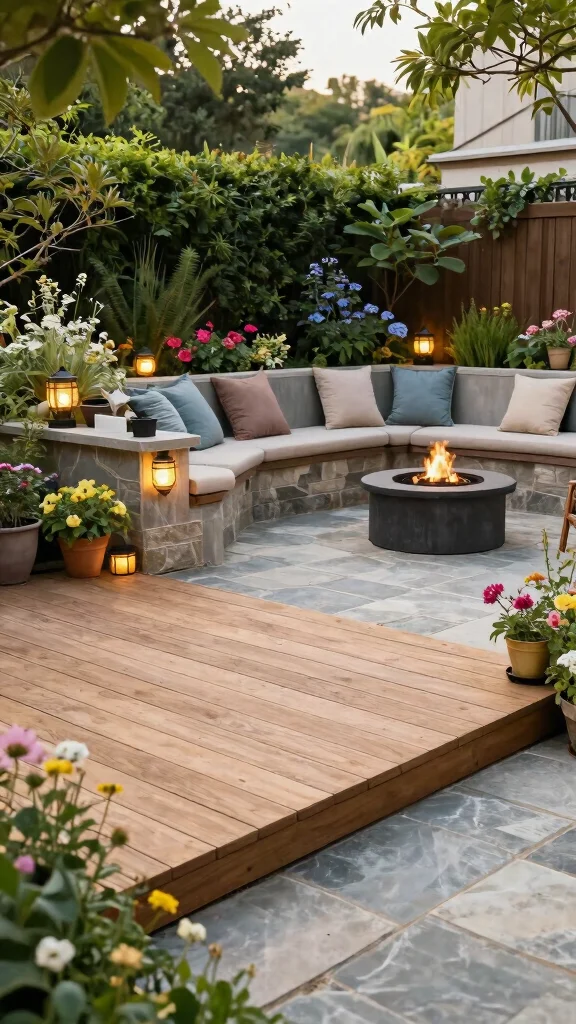
7. Create a Cozy Fire Pit Area
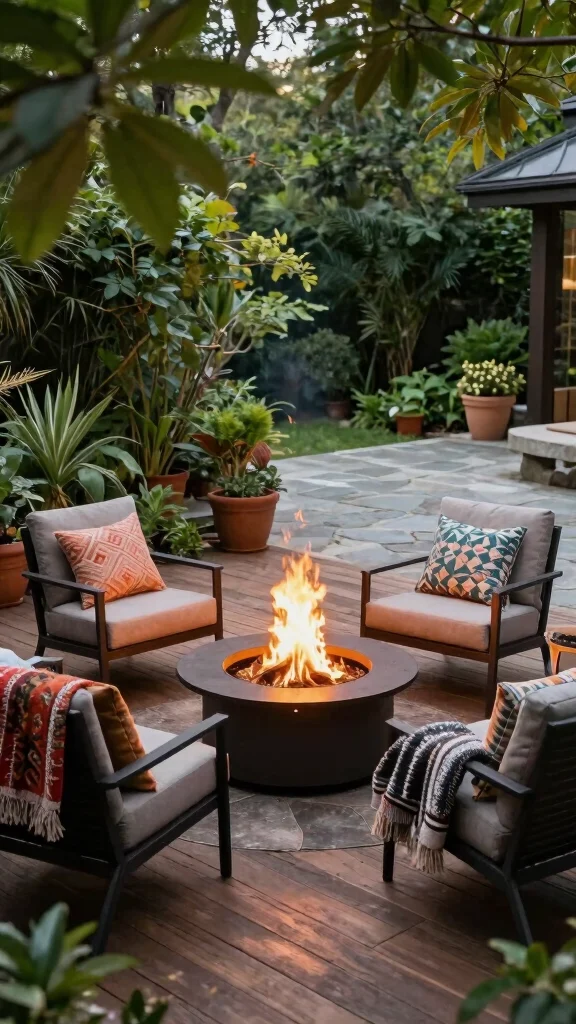
Integrating a fire pit area can become a stunning focal point while enhancing the transition between your deck and patio. A fire pit not only provides warmth and light but also creates an inviting space for gatherings, especially on cooler evenings. By positioning your fire pit near the patio’s edge, you encourage social interactions and create a natural gathering spot.
To set up your fire pit area effectively, surround it with comfortable seating options like Adirondack chairs or built-in benches. Ensure safety by placing the fire pit at a safe distance from flammable surfaces and using protective screens. Here are some ideas for your fire pit setup:
– Seating arrangements: Create a cozy circle around the fire pit with comfortable chairs.
– Safety first: Position the fire pit safely and consider screens for protection.
– Decorate: Use colorful throw blankets and pillows for comfort and style.
This cozy fire pit area adds functionality and aesthetic appeal, seamlessly connecting the deck and patio while making your outdoor space feel like an extension of your home.
Fun fact: A fire pit placed near the patio edge enhances the deck to patio transition, hosting 4–6 friends and extending outdoor use by up to 2 months. Pair it with comfy Adirondack chairs for instant warmth and a natural gathering spot.
Create a Cozy Fire Pit Area
Editor’s Choice

Folding Adirondack Chair Set of 2 with Side Table, All-Weather HDPE Outd…

DII 100% Cotton Basket Weave Throw for Indoor/Outdoor Use Camping Bbq’s …

Outland Living Portable Propane Fire Pit, 19-inch, 58,000 BTU with Fire …
Conclusion
Creating a seamless transition from your deck to patio offers plenty of opportunities for design and creativity. Embracing elements like natural pathways, cohesive materials, vibrant decor, and cozy gathering spots can transform your outdoor space into a cohesive sanctuary.
Exploring these ideas can usher you into a space where relaxation and entertainment flow effortlessly, making the most of your garden and outdoor living areas. Don’t forget, the beauty lies in your unique style and how you choose to express it through your outdoor design!
Note: We aim to provide accurate product links, but some may occasionally expire or become unavailable. If this happens, please search directly on Amazon for the product or a suitable alternative.
This post contains Amazon affiliate links, meaning we may earn a small commission if you purchase through our links, at no extra cost to you.
Frequently Asked Questions
How can I create a seamless deck to patio transition in a small outdoor space?
Start with a unifying material and color that flows from deck to patio. Extend decking boards a few inches onto the patio or use a low-profile, threshold-free edge to create a zero-profile transition. Repeat the deck finish on the patio or choose matching pavers for a cohesive look. Align the edges of the two levels to guide the eye along a single line, and use integrated edging or planters that act as subtle boundaries without interrupting flow. Add garden pathways that connect both levels and keep sightlines uncluttered. Finish with cohesive outdoor design and patio decor to extend usability into evenings.
Practical steps: 1) pick a shared material; 2) design a thin, continuous edge; 3) select a common color palette; 4) plan a pathway that links the levels; 5) install lighting that highlights the transition.
What are the best materials or finishes to unify a deck with a patio for a cohesive outdoor design?
Choose materials that repeat or complement across levels to unify the space. Use the same decking boards with matching stain onto the patio, or opt for stamped concrete, brick, or natural stone that echoes the deck color. A continuous edge or seamless grout line can visually blend spaces; if exact matching isn’t possible, stick to a neutral palette and maintain consistent line rhythm. Incorporate garden pathways or patio decor elements to tie the look together and keep the project moving with a practical home improvement mindset.
Tips: test samples side by side, mock up the transition, and consult a professional for weather resistance and durability.
How can I use landscape ideas to create a smooth flow between deck and patio in a small yard?
Leverage landscape ideas that emphasize flow rather than separation. Plan sightlines that stay uninterrupted across levels, align a single garden pathway from deck to patio, and use low-profile planters or trellises to softly connect edges. Repeat plant textures and colors to create unity, and keep furniture minimal to avoid clutter in a small yard. Finish with a cohesive lighting plan and outdoor design elements that guide evening use.
Steps: map your levels, choose a few focal plants, install a shared edging, and extend lighting to the pathway.
What simple, budget-friendly deck to patio transition ideas exist that still look high-end?
Budget-friendly ideas that still look high-end include repeating a single material family, painting or staining the patio to match the deck, and using affordable pavers to bridge the gap. Create a continuous line with a shared border or edging, install simple patio decor like planters and lanterns, and add energy-efficient lighting to enhance the transition. Focus on minimal hardware, clean lines, and weatherproof furniture to maximize impact on a home improvement project.
Quick plan: audit existing materials, pick one material family, install a thin, uninterrupted edge, and finish with cohesive greenery and lighting.
How should I plan lighting and decor to enhance a deck to patio transition and extend usability into evenings?
Plan lighting in layers to highlight the deck to patio transition and extend usability into evenings. Use path lights along the garden pathways and step lighting to create safety without glare, then add ambient uplights on planters or screens to unify both levels. Choose weatherproof fixtures and a consistent color temperature to keep outdoor design cohesive. Pair lighting with simple patio decor like lanterns, cushions, and greenery to invite lingering outside.
Tips: run low-voltage wiring under a shared edge, balance brightness across levels, and test at dusk to ensure a natural look.
Related Topics
deck to patio transition
outdoor design
landscape ideas
patio decor
garden pathways
small space solutions
DIY outdoor projects
easy transitions
home improvement
seamless flow
beginner friendly
trending garden styles