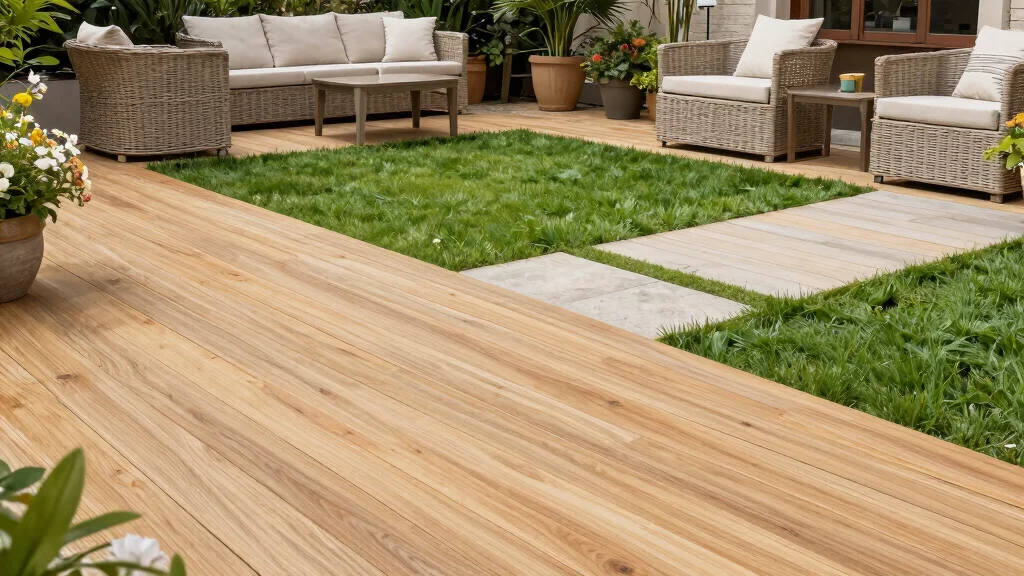
Creating the perfect outdoor space often starts from the ground up. If you’re investing time and energy into your garden or patio, you want to ensure your patio flooring makes a statement. With so many options available, it can feel overwhelming to choose the right materials that not only look good but also align with your eco-friendly values. This post is here to guide you through the best patio flooring ideas that will serve as a solid foundation for your entire outdoor area.
If you love spending time outdoors and want a space that reflects your personal style while being kind to the environment, you’re in the right place. This article is tailored for garden enthusiasts, DIY lovers, and anyone looking to amp up their outdoor living spaces with stylish and sustainable patio materials. You’ll discover flooring options that are not only aesthetically pleasing but also practical and sustainable.
Get ready to explore nine unique patio flooring ideas that blend beauty, durability, and eco-friendliness. From rustic reclaimed wood tiles to luxurious bamboo flooring, you’ll find solutions that are innovative, versatile, and perfect for enhancing your outdoor areas. Let’s dive in and find the ideal materials that can bring your patio vision to life!
Key Takeaways
– Choosing the right patio flooring is essential for setting the mood of your outdoor space and offering a cohesive look.
– Eco-friendly materials, like reclaimed wood and bamboo flooring, not only enhance the beauty of your patio but also help reduce your carbon footprint.
– Natural stone slabs and permeable pavers are excellent choices for durability and drainage, making them ideal for various weather conditions.
– Use grass pavers for a nature-friendly solution that integrates greenery into your patio design, allowing for a seamless blend with your garden.
– Consider the maintenance and longevity of your chosen materials to ensure your patio remains beautiful and functional for years to come.
Recommended Products

𝐏𝐑𝐄𝐌𝐈𝐔𝐌 & 𝐃𝐔𝐑𝐀𝐁𝐋𝐄 𝐀𝐂𝐀𝐂𝐈𝐀 𝐖𝐎𝐎𝐃: Made from 100% natural acacia wood with a deep-oil finish, these interlocking decktiles are sturdy, water-resistant, and built for outdoor conditions. Sanded smooth for a premium wood grain look, a smooth-finished surface, and a noticeably smoother barefoot feel - comfortable for families and pets.

𝐏𝐑𝐄𝐌𝐈𝐔𝐌 & 𝐃𝐔𝐑𝐀𝐁𝐋𝐄 𝐀𝐂𝐀𝐂𝐈𝐀 𝐖𝐎𝐎𝐃: Made from 100% natural acacia wood with a deep-oil finish, these interlocking decktiles are sturdy, water-resistant, and built for outdoor conditions. Sanded smooth for a premium wood grain look, a smooth-finished surface, and a noticeably smoother barefoot feel - comfortable for families and pets.

𝐏𝐑𝐄𝐌𝐈𝐔𝐌 & 𝐃𝐔𝐑𝐀𝐁𝐋𝐄 𝐀𝐂𝐀𝐂𝐈𝐀 𝐖𝐎𝐎𝐃: Made from 100% natural acacia wood with a deep-oil finish, these interlocking decktiles are sturdy, water-resistant, and built for outdoor conditions. Sanded smooth for a premium wood grain look, a smooth-finished surface, and a noticeably smoother barefoot feel - comfortable for families and pets.
1. Reclaimed Wood Tiles – Rustic Charm
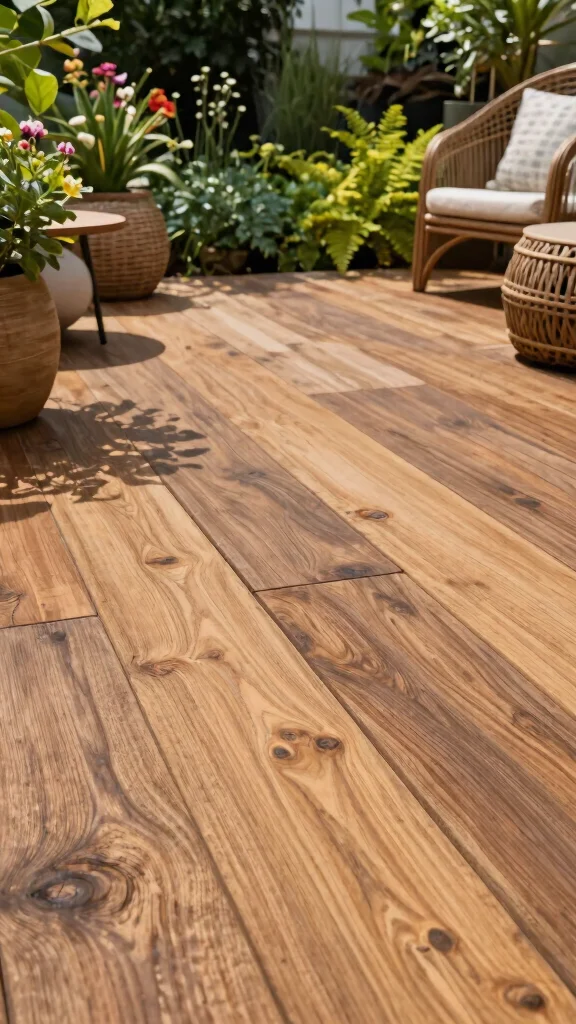
Embrace the natural beauty of reclaimed wood tiles for your patio. This choice brings a rustic charm that resonates with eco-conscious living while creating a warm, inviting space. The unique grains and rich color variations of reclaimed wood add character and depth, making your outdoor area feel like a cozy retreat. Imagine the charm of vintage barn wood or weathered oak underfoot, complementing a lush garden beautifully.
To incorporate reclaimed wood tiles effectively, think about mixing different wood types for a personalized touch. Consider adding colorful outdoor cushions to contrast the earthy tones and create a vibrant atmosphere. You can also surround your patio with potted plants to soften the transition from your living space to the garden.
Tips for using reclaimed wood tiles:
– Seal the surface to protect against moisture and wear.
– Pair with bright cushions for a playful contrast.
– Incorporate greenery around the edges for a cohesive look.
Reclaimed wood not only enhances your patio’s aesthetic but also promotes sustainability by giving new life to old materials.
Recommended Products

Genuine solid Teak wood (Tectona Grandis) in oil finish

Wet-Area Ready, No Sealing Required: Pre-finished with cured linseed oil — a natural plant-based wood finish — these tiles install straight from the box — no sealant, no prep, no waiting. Raised base channels water underneath for patios, balconies, pool surrounds, and shower floors

PREMIUM ACACIA WOOD CONSTRUCTION – Crafted from durable, sustainable solid acacia wood and reinforced with high-quality plastic base, these interlocking deck tiles withstand rain, sun, wind, and heavy outdoor use without cracking or deforming.
Reclaimed Wood Tiles – Rustic Charm
Editor’s Choice

Yaheetech 27PCS Interlocking Patio Deck Tiles 12 x 12in Wood Floor Tiles…


Thompson’s WaterSeal Clear Wood Sealer, Clear, 1 Gallon
2. Natural Stone Slabs – Timeless Elegance
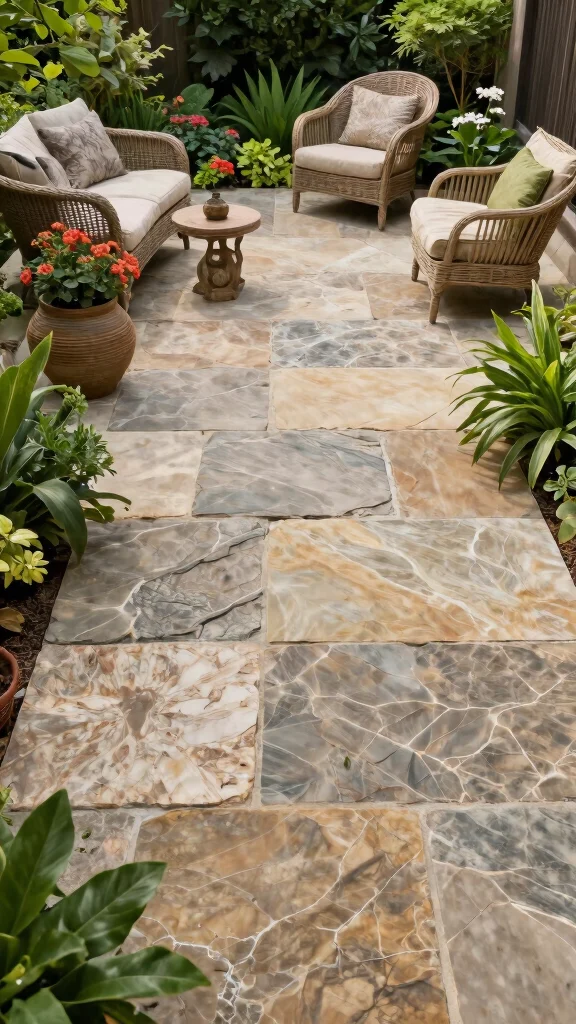
Natural stone slabs offer an enduring elegance that enhances your outdoor spaces effortlessly. Their beautiful textures and colors create a sophisticated backdrop that harmonizes with nature, making them an ideal choice for any garden design. Picture yourself relaxing on smooth, cool stones, surrounded by the vibrant hues of your landscape.
When using natural stone, consider its durability and low maintenance benefits. You can achieve a seamless transition between your patio and garden by using gravel or pebbles as borders. Adding flowering plants can soften the hard edges, ensuring your outdoor area feels inviting and well-integrated.
Landscaping tips for integrating natural stone:
– Opt for flagstone or slate for an organic appearance.
– Surround with gravel or pebbles for texture.
– Use planters to soften the stone’s look.
Natural stone slabs provide a stunning foundation while supporting eco-friendly landscaping through responsibly sourced materials.
Recommended Products

Safe Deep Cleaning – Gently removes dirt and grime from polished and honed natural stone and tile without damage.

100% Natural Stone: Made from genuine natural marble, unlike synthetic flooring, these tiles emit no odors or harmful things – even after years of sun, friendly for families, children, and pets

MOST PREFERRED PAVING MATERIAL by home and landscape professionals
Natural Stone Slabs – Timeless Elegance
Editor’s Choice

Color Enhancer Sealer for All-Natural Stone and Pavers. Marble, Traverti…

TierraVerde 4-Pack 18”x22” Natural Rock Rubber Stepping Stones, Grey…
3. Permeable Pavers – Eco-Friendly Drainage
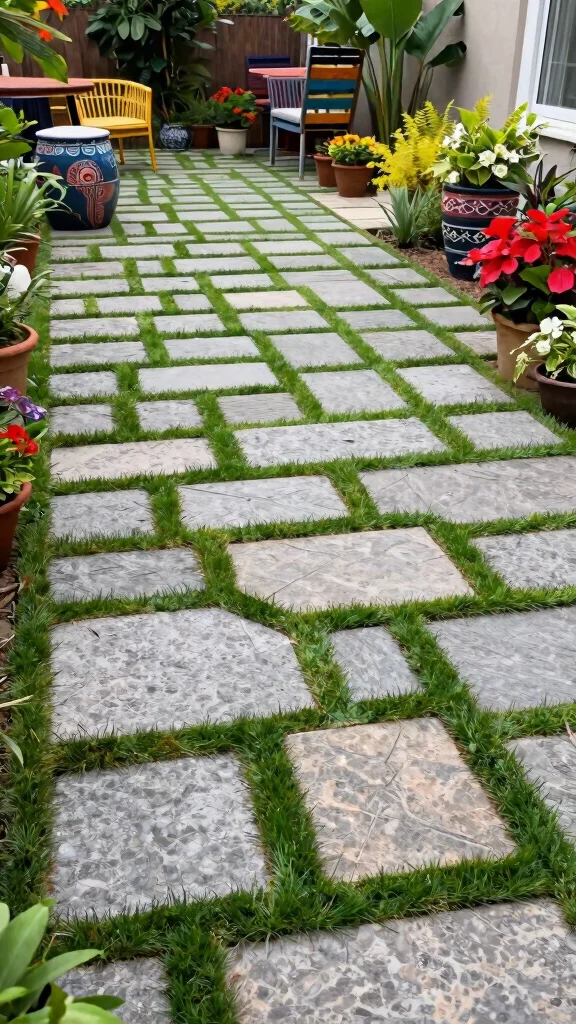
Permeable pavers offer a stylish and functional solution for modern patios. These innovative materials allow rainwater to filter through, reducing runoff and promoting sustainability in your outdoor space. Imagine creating intricate patterns that not only look great but also support the environment by enhancing groundwater recharge.
To make the most of permeable pavers, you can choose from various designs that match your aesthetic. Their ease of installation and maintenance makes them a practical choice for busy homeowners, allowing you to enjoy a beautiful patio without a hassle.
Key benefits of permeable pavers:
– Enhance drainage to prevent flooding issues.
– Available in diverse designs to fit any style.
– Quick installation and low upkeep for convenience.
With permeable pavers, you can create a visually stunning patio that aligns with eco-friendly practices, making it a perfect addition to any garden.
Permeable pavers aren’t just pretty; they’re practical. They let rain filter through, reducing runoff and boosting groundwater recharge, while you design patterns that fit your style. Easy to install and maintain—your eco-friendly patio flooring starts with the right choices.
Recommended Products
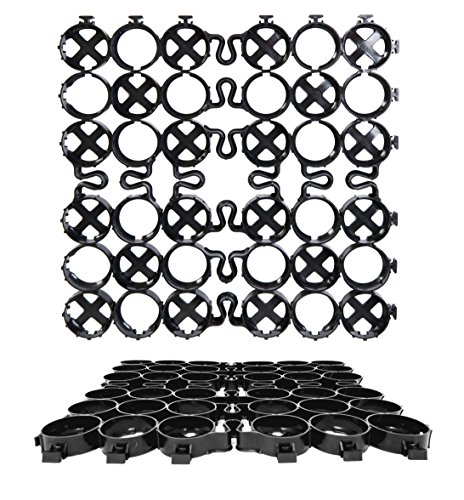
EASY TO USE: Our lightweight permeable pavers are easy for any level of DIYer to install; Feel proud of your own outdoor home improvements!

Package Contents: relish the simplicity of our value pack with 6 pieces of green permeable pavers; Our pavers are complete with snaps to seamlessly fit in with each other, ideal for usage in lawn patios, driveways, sidewalks and shed foundations; It's a value-for-money offering tailored for your exterior spaces

DURABLE AND ECO-FRIENDLY: Crafted from 100% recycled PPE plastic, our gravel paver system delivers exceptional strength and longevity; This set includes 22 units with a 1-inch depth, covering an area of 65 square feet
Key Trade-offs & Our Top Pick
Option 1: Reclaimed Wood Tiles
– Pros:
– Provides a warm, rustic charm to your patio.
– Environmentally friendly since it uses recycled materials.
– Cons:
– May require regular sealing to prevent rot.
– Can be prone to warping in wet conditions.
– Best for: Homeowners looking for a unique, eco-friendly aesthetic in their outdoor space.
Option 2: Natural Stone Slabs
– Pros:
– Offers timeless elegance with various color options and textures.
– Extremely durable and can withstand harsh weather conditions.
– Cons:
– Can be quite heavy and difficult to install.
– Higher cost compared to other materials.
– Best for: Those wanting a luxurious feel and willing to invest more in their outdoor flooring.
Option 3: Permeable Pavers
– Pros:
– Eco-friendly option that promotes drainage, reducing flooding.
– Available in various designs to suit any garden style.
– Cons:
– Installation can be complex and requires expert help.
– Weeds may grow in the joints, requiring maintenance.
– Best for: Environmentally conscious homeowners in areas prone to heavy rainfall.
Option 4: Composite Decking
– Pros:
– Combines wood and plastic for a durable, weather-resistant surface.
– Available in various colors, low maintenance compared to traditional wood.
– Cons:
– Can be more expensive than solid wood options.
– May fade over time if exposed to direct sunlight.
– Best for: Those seeking a blend of durability and low upkeep for their outdoor living spaces.
Option 5: Terracotta Tiles
– Pros:
– Provides a Mediterranean look that’s warm and inviting.
– Naturally porous, allowing for good drainage.
– Cons:
– Can be slippery when wet.
– May need sealing to prevent staining and damage.
– Best for: Homeowners who love a classic, rustic aesthetic and have a dry climate.
Expert Recommendation: Best Overall: Composite Decking
Composite decking stands out as the best overall option for most people. It balances cost, durability, and low maintenance beautifully. While the initial investment might be higher than some traditional materials, its long lifespan and minimal upkeep make it a wise choice. You get the aesthetic appeal of wood without the constant worry about rot or fading.
Why We Picked This: Each option has unique advantages. If you prefer a natural look, reclaimed wood tiles or natural stone slabs are fantastic, albeit with higher maintenance. For eco-conscious choices, permeable pavers shine but may require professional installation. Terracotta tiles can add classic charm, but be cautious of slip hazards. Composite decking, however, provides a versatile, easy-to-manage solution that suits various styles and needs, making it a great all-around pick. Choose what aligns best with your style, budget, and lifestyle!
Recommended Products

Durable & Easy: These 15.5" stepping stones are made of weatherproof resin, so they can withstand rain, hail, UV rays, and cold temperatures. They also feature four ground stakes for secure installation, making them perfect for patios, walkways, and gardens.

【Realistic Appearance】Featuring a lifelike design with vibrant green color and soft texture, this artificial grass mat adds a natural touch to any indoor or outdoor space.

Strong Load-bearing Capacity and Wide Applicability: each Lawn Grid can bear about 3 tons/ 6613 lb, and a combination of 10 pcs can easily support heavy vehicles ( such as cars, trucks, etc.); Suitable for scenes that require high load-bearing capacity, such as parking lots, temporary event venues, and outdoor exhibitions; In just a few hours, you can create additional parking space for trailers, boats, and vehicles without spending on concrete or asphalt surface installation
Permeable Pavers – Eco-Friendly Drainage
Editor’s Choice

Vodaland Permeable HexPave System – Grass & Gravel Pavers – 100% Recycle…

TRUEGRID | PRO LITE Permeable Pavers Designed as Driveway Pavers, Grass …
4. Concrete – Versatile and Durable
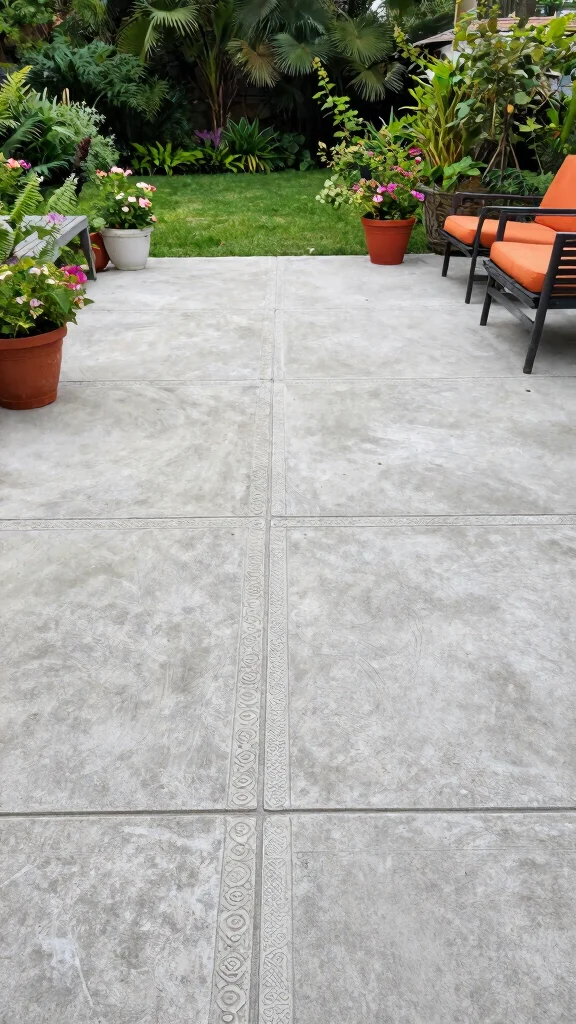
Concrete is a surprisingly versatile option for patio flooring that can be tailored to your style. It can be stained, stamped, or painted, allowing it to blend seamlessly with any outdoor theme. This durable material works well for both bustling areas and serene retreats, giving you the flexibility to design your space as you wish.
One of concrete’s main advantages is its resilience and minimal maintenance needs. When adorned with decorative elements like outdoor rugs or vibrant planters, it transforms into a stylish focal point that enhances your outdoor experience.
Landscaping tips for concrete patios:
– Incorporate textures through stamping or staining.
– Use colorful furniture to add a lively vibe.
– Surround with plants for a fresh, natural feel.
A concrete patio serves as a strong foundation for your outdoor oasis, offering endless possibilities for customization and aesthetic appeal.
Recommended Products
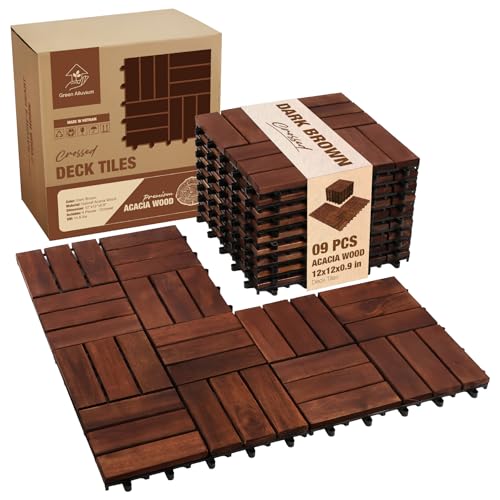
Wet-Area Ready, No Sealing Required: Pre-finished with cured linseed oil — a natural plant-based wood finish — these tiles install straight from the box — no sealant, no prep, no waiting. Raised base channels water underneath for patios, balconies, pool surrounds, and shower floors

𝐏𝐑𝐄𝐌𝐈𝐔𝐌 & 𝐃𝐔𝐑𝐀𝐁𝐋𝐄 𝐀𝐂𝐀𝐂𝐈𝐀 𝐖𝐎𝐎𝐃: Made from 100% natural acacia wood with a deep-oil finish, these interlocking decktiles are sturdy, water-resistant, and built for outdoor conditions. Sanded smooth for a premium wood grain look, a smooth-finished surface, and a noticeably smoother barefoot feel - comfortable for families and pets.

Wet-Area Ready, No Sealing Required: Pre-finished with cured linseed oil — a natural plant-based wood finish — these tiles install straight from the box — no sealant, no prep, no waiting. Raised base channels water underneath for patios, balconies, pool surrounds, and shower floors
Concrete – Versatile and Durable
Editor’s Choice

Surecrete Eco Stain Water-Based Stain for Concrete – 4 oz Tester – Pewter

VEVOR Concrete Stamps Mat, 24 x 24 in, 7 PCS Concrete Texturing Skin Pol…
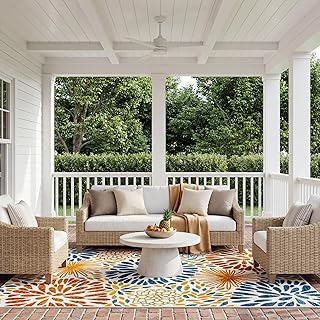
nuLOOM Monique Floral Indoor/Outdoor Area Rug, 9×12, Multi
5. Grass Pavers – Nature-Friendly Solution
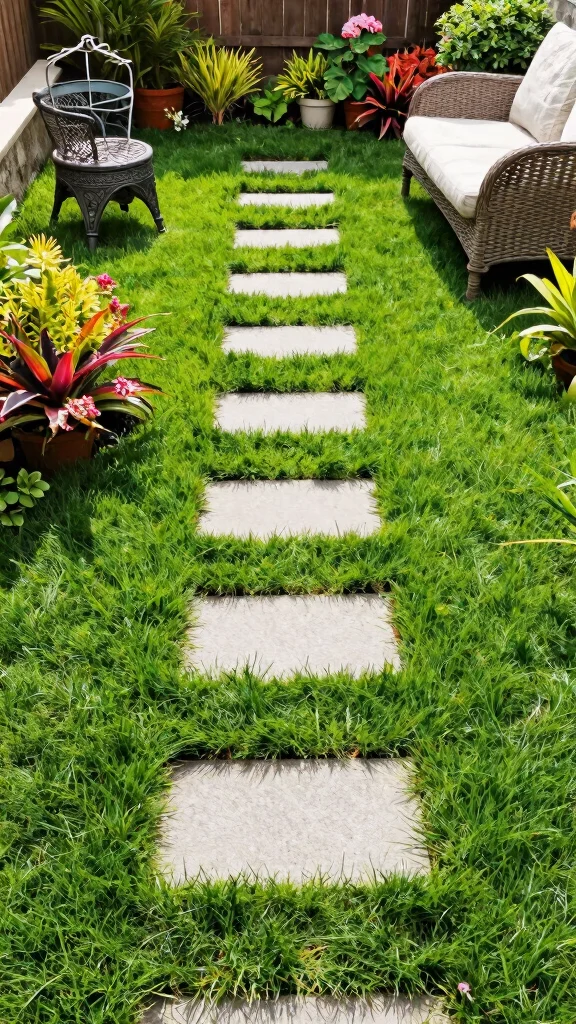
Grass pavers offer a unique way to combine the beauty of greenery with functional patio flooring. These eco-friendly options support grass growth while providing a stable surface for foot traffic, creating a seamless blend between your patio and garden that enhances your outdoor aesthetic.
By using grass pavers, you can improve drainage and prevent soil erosion, making them ideal for sustainable designs. They also help to keep your outdoor space cooler, contributing to a more comfortable environment.
Benefits of grass pavers include:
– Enhanced drainage compared to traditional materials.
– Support for biodiversity through natural plant life.
– A harmonious look that integrates beautifully with nature.
Grass pavers create an inviting, environmentally-friendly patio solution that connects your living space with the beauty of the outdoors.
“Fun fact: Grass pavers can drop patio surface temps by up to 15°C (27°F) on sunny days, keeping barefoot comfort alive. They also boost drainage and curb erosion, blending greenery with sturdy patio flooring for a cooler, sustainable space.”
📹 Related Video: Eco-Friendly Elegance: Install Turfstone Pavers for a Greener Yard!
You might also like
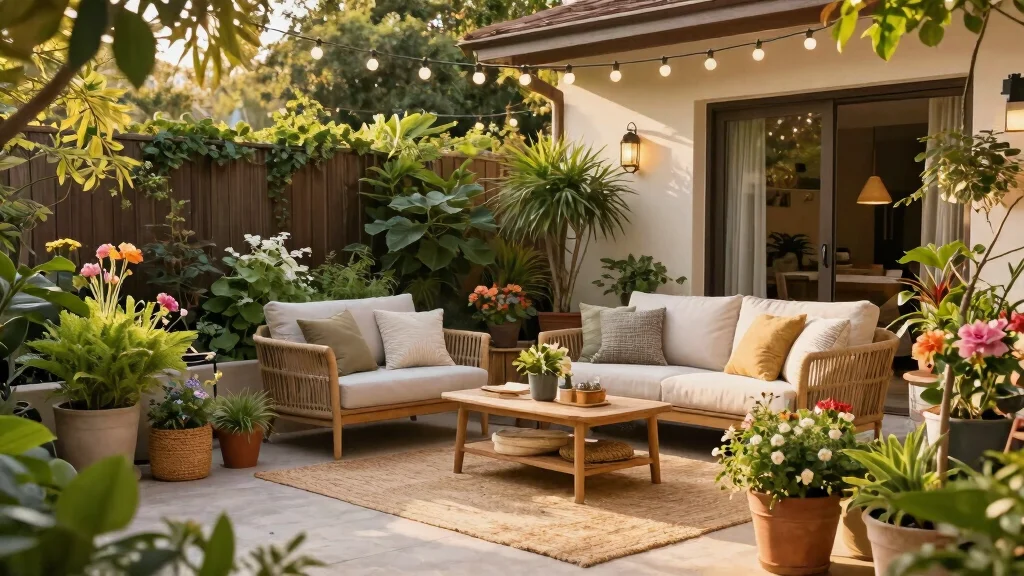
Grass Pavers – Nature-Friendly Solution
Editor’s Choice

9PCS 12″x12″ Teak Wood WPC Interlocking Patio Tiles, Snap-Together Water…

Happybuy Driveway Fabric, 13x108ft Commercial Grade Landscape Fabric, Ga…
6. Terracotta Tiles – Mediterranean Vibes
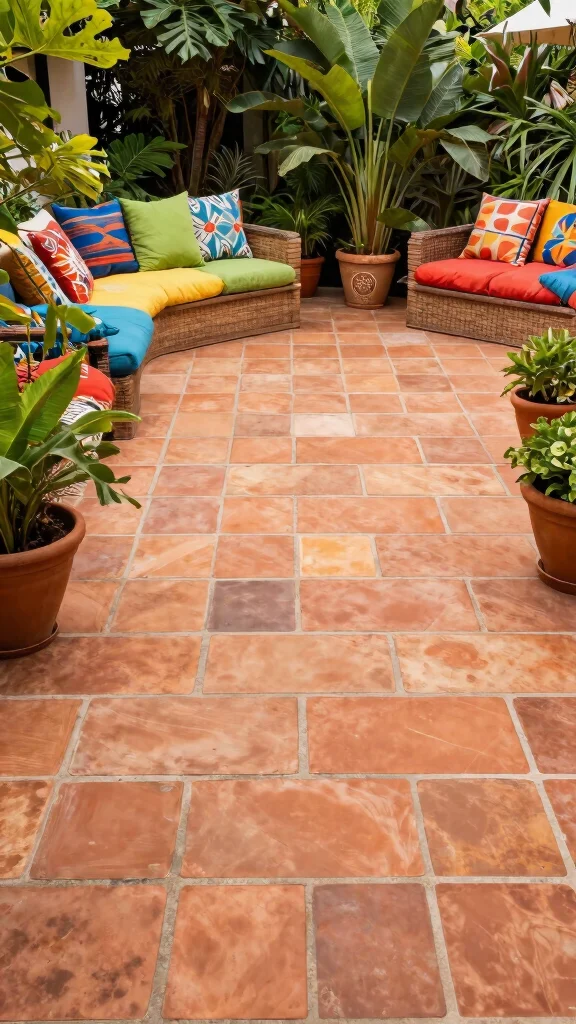
For a vibrant splash of color and Mediterranean flair, terracotta tiles are a fantastic choice for patio flooring. Their warm hues and durability make them perfect for outdoor gatherings, creating a welcoming atmosphere that invites relaxation and enjoyment.
Available in various shapes and sizes, terracotta tiles allow for creative designs that can reflect your personal style. Their natural porous nature provides excellent drainage, keeping the surface cool even on hot days.
Decorating tips for terracotta tile patios:
– Use colorful cushions to enhance the Mediterranean aesthetic.
– Incorporate potted plants like herbs for added vibrancy.
– Design with geometric patterns for a fresh twist.
Terracotta tiles not only add a lively touch to your outdoor space but also support eco-friendly practices by utilizing natural materials.
Terracotta Tiles – Mediterranean Vibes
Editor’s Choice

Tenedos 6×6 Red Quarry Tile – Durable Ceramic Floor Wall Tile Indoor a…

Yeardera Heavy Duty Construction Adhesive, 7.4 Ounce Cement Glue Squeeze…
7. Composite Decking – Eco-Conscious Luxury
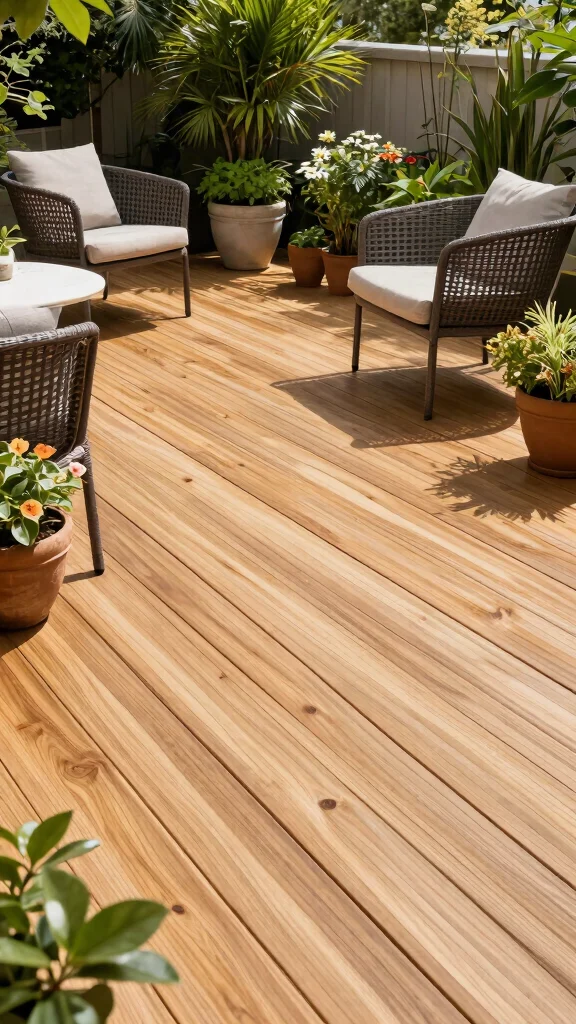
Composite decking provides an elegant solution for those desiring the look of wood without the environmental impact. Crafted from recycled materials, this option is not only beautiful but also durable, resisting fading, scratching, and mildew.
With a variety of colors and finishes available, composite decking mimics real wood while lasting longer. This sustainable choice allows you to enjoy a stunning patio while supporting eco-friendly values.
Benefits of composite decking:
– Low maintenance with simple cleaning requirements.
– Resistant to termites, ensuring longevity.
– Promotes sustainability with its recycled composition.
With composite decking, you can relish in a luxurious outdoor space that reflects your commitment to the environment without sacrificing style.
Composite Decking – Eco-Conscious Luxury
Editor’s Choice


Outdoor Solid Composite Decking Boards 96″x5.43″x1″, Polymer Composite D…

Deck & Outdoor Furniture Maintenance : Wood Preservation, Deck Repair, S…
8. Bamboo Flooring – Sustainable and Stylish
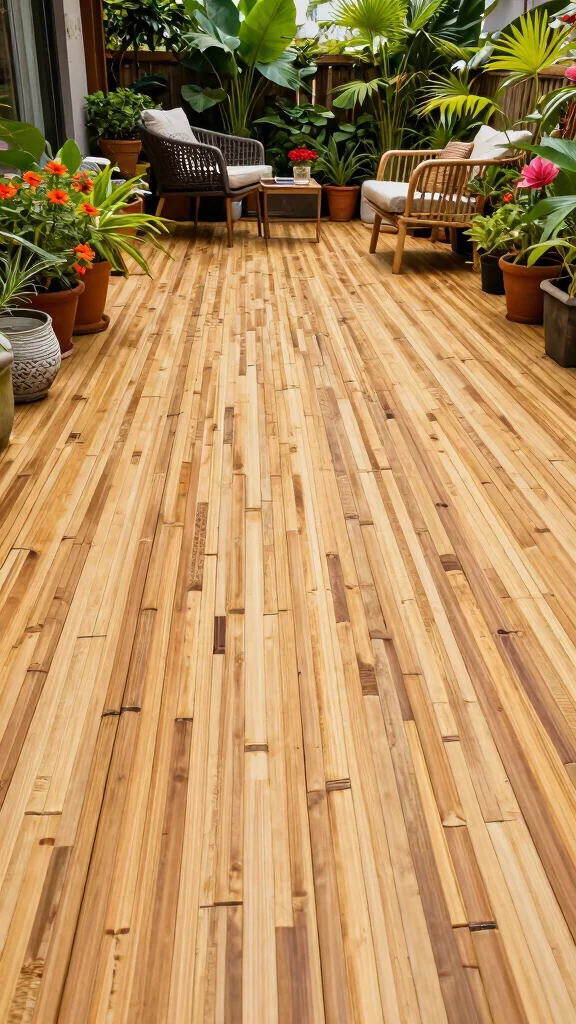
Bamboo flooring is emerging as a popular choice for outdoor areas due to its sustainable nature and stylish appeal. As a rapidly renewable resource, bamboo offers an eco-friendly alternative to traditional wood while creating a warm, inviting atmosphere for your patio.
Known for its strength and durability, treated bamboo can withstand outdoor elements, making it a smart option for various climates. Its unique grain patterns add visual interest, enhancing your outdoor experience.
Creative uses for bamboo flooring:
– Mix with stone or metal for an eclectic look.
– Add outdoor rugs for comfort and style.
– Use bamboo planters to complement the flooring’s natural vibe.
Bamboo flooring not only beautifies your patio but also supports sustainable living, making it an excellent choice for eco-conscious homeowners.
Fun fact: Bamboo flooring comes from a grass that can grow up to 91 cm in a single day, making bamboo a rapidly renewable, eco-friendly choice for outdoor patios. Sustainable and stylish, seal it properly to maximize durability for patio flooring against outdoor elements.
Bamboo Flooring – Sustainable and Stylish
Editor’s Choice

REXBETI Laminate Wood Flooring Installation Kit, LVP Installation Kit, V…

Solid Bamboo Hardwood Flooring Planks, 37.8″ x 3.78″ x 0.6″, Easy Tongue…
9. Rubber Pavers – Safe and Soft
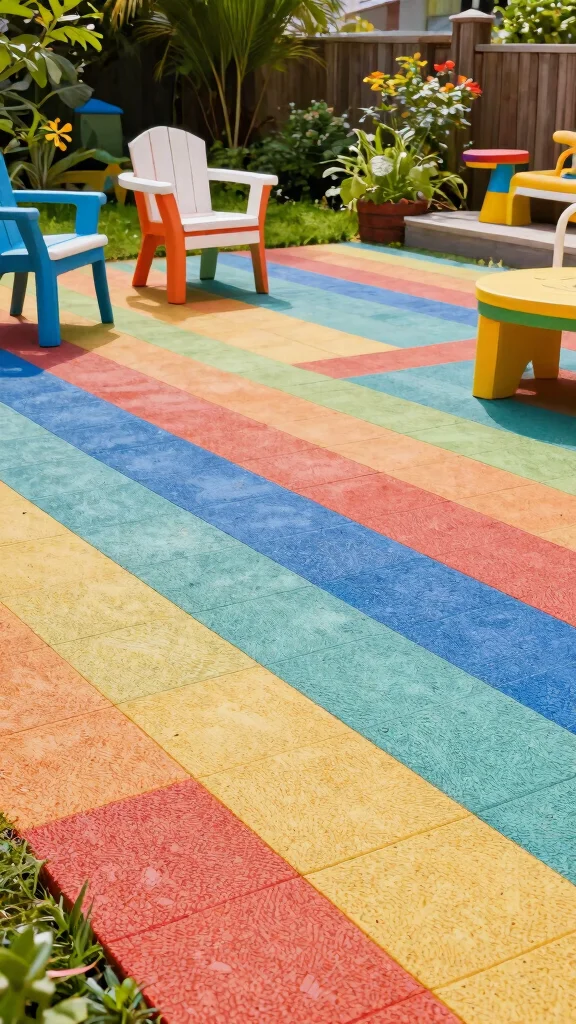
Rubber pavers are an excellent choice for families seeking a safe, soft patio flooring option. Made from recycled materials, these pavers provide a cushioned surface that prevents slips and injuries, making them ideal for outdoor spaces used by children and pets.
Durable and weather-resistant, rubber pavers require minimal maintenance, making them perfect for busy households. Their available colors and styles allow for customization that fits your personal taste while maintaining eco-friendly principles.
Tips for using rubber pavers:
– Choose vibrant colors for a playful atmosphere.
– Combine with outdoor rugs for added comfort.
– Surround with bright plants for a lively environment.
Rubber pavers offer a practical and stylish solution for outdoor areas, keeping safety and sustainability at the forefront.
Rubber Pavers – Safe and Soft
Editor’s Choice

THYOI Premium Deck Tiles, Patio Flooring – Outdoor Waterproof Acacia Woo…
Conclusion

Choosing the right patio flooring can completely transform your outdoor space, making it both beautiful and eco-friendly. Each of the options discussed offers unique benefits, allowing you to create a personalized oasis that blends seamlessly with nature. From rustic reclaimed wood to modern eco-friendly materials, there’s a perfect choice for every garden design idea.
As you plan your outdoor living space, consider how each flooring option aligns with your style and environmental values. Embrace the opportunity to create a sustainable patio that reflects your love for nature and design.
Note: We aim to provide accurate product links, but some may occasionally expire or become unavailable. If this happens, please search directly on Amazon for the product or a suitable alternative.
This post contains Amazon affiliate links, meaning we may earn a small commission if you purchase through our links, at no extra cost to you.
Frequently Asked Questions
What are the most eco-friendly patio flooring options for a sustainable outdoor space?
Choosing eco-friendly patio flooring means prioritizing materials that are renewable, recycled, locally sourced, and durable. For example, consider composite decking made from recycled wood and plastic, reclaimed brick or stone, recycled rubber tiles, cork, bamboo, or salvaged wood. Permeable options like textured permeable concrete or pavers help manage rainwater and reduce runoff. When selecting, look for low-VOC finishes and long-lasting designs to minimize replacements. Coordinate with your garden design ideas by matching colors and textures to your outdoor living spaces, and ensure proper installation with a solid subbase and slope for drainage.
With these eco-friendly choices, your patio flooring supports the entire outdoor space while staying gentle on the environment.
How can I choose patio materials that align with my garden design ideas and landscaping tips?
Start by defining the vibe you want—rustic, modern, cottage, or naturalistic—and pick materials that echo those elements. Look for textures and colors that complement your greenery and hardscape, whether you choose natural stone, recycled composite, or reclaimed wood. Consider durability in your climate, maintenance expectations, and slip resistance for safety in outdoor living spaces. Think about drainage and how the material ages over time. For a cohesive look, compare patio materials to your overall garden design ideas and weave in outdoor flooring that transitions smoothly to pathways and plant beds.
Finally, balance cost, sustainability, and aesthetics to land on something you’ll love for years.
What maintenance tips keep eco-friendly patio flooring looking great year round?
Keep dirt and debris from wearing down surfaces with regular sweeping and a gentle soap-and-water wash. For wooden or composite decking, inspect for wear and reseal every 2–3 years to protect against moisture. Stone and pavers benefit from periodic cleaning, re-sanding joints when gaps appear, and resealing permeable surfaces to preserve drainage. Address weeds between joints with a natural weedkiller or by reapplying a weed barrier as needed. Use doormats at entry points to minimize grit. Following these landscaping tips helps your outdoor flooring stay durable and beautiful without harming the environment.
Are there affordable, durable patio materials that are easy to install for DIY backyard projects?
Absolutely. Look for budget-friendly, eco-friendly options like permeable concrete pavers, recycled-plastic composite tiles, clean gravel with edging, or reclaimed brick. These can be installed with basic tools and a clear plan. Start by measuring the area, preparing a level base, and designing a drainage-friendly layout. Choose materials that are locally sourced when possible to cut transport emissions and support local suppliers. With thoughtful planning, your patio flooring project can be both cost-effective and stylish, fitting neatly into your garden design ideas and outdoor living spaces.
How can I ensure proper drainage and weed prevention with eco-friendly outdoor flooring options?
Prioritize permeable surfaces like pervious pavers, gravel, or porous concrete to let water soak through and reduce puddling. Plan the sub-base with a slight slope (about 1–2%) to direct water away from foundations. Use a weed barrier under joints and edges to minimize weed growth, and keep joints clean to maintain permeability. Mulch edges and regular maintenance will help keep weeds at bay. This approach aligns with smart landscaping tips and supports healthy outdoor living spaces while protecting your patio flooring.